
Healthcare leaders face extreme administrative pressure daily. They must balance growing patient volumes with staff shortages. Many now choose remote support to solve these issues.
Understanding why practices need a HIPAA aligned virtual assistant is vital. It goes beyond simple administrative convenience for the team. Secure support protects practices from dangerous data breaches.
Aligned virtual assistants manage scheduling and billing workflows safely. They handle prior authorizations and complex patient communications correctly. Properly trained teams deliver efficiency across every single department.
Why Practices Need a HIPAA Aligned Virtual Assistant: The Compliance and Operational Case
Administrative delegation creates direct legal liability for every practice. Handling PHI without proper safeguards is a significant risk. Secure workflows prevent costly regulatory compliance failures immediately.
A HIPAA aligned virtual assistant brings strong operational value. They maintain data protection standards that the practice requires. This alignment reduces overall legal exposure for the organization.
Prior authorization volumes are growing at an unsustainable rate. Billing complexity and communication demands exceed internal staff capacity. Modern practices need external support that prioritizes patient security.
Practices often outsource tasks to save money very quickly. However, ignoring HIPAA alignment creates massive long-term risk factors. True efficiency never comes at the cost of compliance.
Verifying patient data delegation methods is a critical leadership task. A HIPAA aligned VA need is now very clear. Operational success depends on maintaining trust with every patient.
The Growing Administrative Burden Pushing Practices Toward Virtual Assistant Support
Rising prior authorization volumes consume many hours every single week. Clinical staff spend too much time on administrative paperwork. This workload prevents providers from focusing on direct patient care.
Insurance verification demands are expanding across more complex payer mixes. Verifying benefits takes significant time for front-desk teams today. These tasks often lead to significant billing errors later.
Patient communication expectations are increasing for appointment reminders now. Follow-up calls and billing inquiries require dedicated staff focus. Administrative teams struggle to keep up with these messages.
Staff turnover creates recruitment challenges for many small medical practices. Critical administrative functions remain chronically understaffed for months. Medical VA support offers a stable and secure solution.
Healthcare administrative burden is reaching a critical breaking point. Virtual assistant healthcare tasks provide necessary relief for tired teams. Outsource healthcare admin to professional partners who understand security.
The Compliance Risks of Using Non-HIPAA-Aligned Virtual Assistants
PHI shared through unsecured channels creates massive vulnerability today. Unaligned assistants often lack formal and documented security training. This neglect leaves patient records exposed to malicious actors.
Absent Business Associate Agreements leave practices legally exposed and weak. The practice remains responsible for every single data breach. A non-HIPAA VA risk is simply too high.
No audit trails exist to document who accessed information. OCR investigations require proof of strict data access controls. Compliance failure leads to immediate and severe legal consequences.
Financial penalties range from thousands to millions of dollars now. Violations depend on the severity of the data exposure. Scope of a breach determines the total settlement amount.
Unsecured VA PHI is a target for modern cybercriminals. Practices must verify the technical environment of every assistant. Security protocols must be documented and regularly reviewed.
Why Practices Need a HIPAA Aligned Virtual Assistant to Protect Revenue and Reputation
A single PHI breach triggers massive patient trust loss. Unaligned support staff can ruin a hard-earned reputation. Rebuilding trust takes years of consistent and careful work.
Regulatory investigations disrupt daily operations for many weeks. They consume management time and generate high legal costs. A data breach has a negative revenue impact.
Revenue cycle continuity depends on smooth administrative functions. Breach responses create long interruptions in billing cycles. Secure support ensures the cash flow remains steady.
A HIPAA aligned VA protects the practice’s daily operations. They maintain payer relationships without any compliance interference. Aligned assistants support business continuity through every single month.
Prior auth VA revenue cycle management is highly effective. Patient trust and data security are top priorities here. Modern medicine requires a safe and secure digital foundation.
Administrative Tasks a HIPAA Aligned Virtual Assistant Handles for Healthcare Practices
Assistants manage prior authorization submissions and status tracking. They follow up on denials across many different payers. Specialized teams handle authorizations for every medical specialty.
Insurance eligibility and benefits verification happens before every appointment. This reduces claim denials at the billing stage significantly. Proper verification improves the overall patient experience today.
Patient scheduling and appointment confirmations use secure channels. Follow-up communications occur through HIPAA aligned platforms only. These tools protect patient data at every step.
Medical billing support includes claim status inquiries daily. Assistants post payments and coordinate with the billing team. They ensure the revenue cycle flows without any delays.
Virtual assistant healthcare tasks cover a wide range now. Aligned VA functions include many back-office duties. Secure medical billing assistants provide high value to practices.
How a HIPAA Aligned Virtual Assistant Reduces Staff Burnout Without Creating Compliance Risk
Offloading repetitive administrative tasks helps clinical staff significantly. They no longer transfer PHI to unverified parties. Secure delegation protects the entire healthcare organization daily.
In-house team members focus on direct patient care now. They handle high-value clinical responsibilities instead of paperwork. This shift improves both morale and patient outcomes.
Administrative throughput remains consistent during peak periods. Remote teams handle absences and high patient volume days. Consistency prevents the backlogs that stress internal teams.
Hiring and training cycles are reduced for many practices. Administrative staff retention improves as the workload stabilizes. Virtual support provides a scalable path for growth.
Reduce staff burnout with virtual assistant support today. VA healthcare workload relief is a necessary investment. Clinical staff productivity increases when administrative burdens disappear.
The Cost of Non-Compliance When Virtual Assistants Lack HIPAA Alignment
OCR penalties for violations are incredibly high now. They range from hundreds to millions of dollars. Negligence level and scope determine the final fine.
Breach remediation costs include legal counsel and notifications. Practices must pay for credit monitoring services too. Security audits add even more to the bill.
State attorney general actions add extra financial liability. These penalties come on top of federal fines. Legal exposure can bankrupt a small medical practice.
Operational disruption delays billing cycles for many months. Cash flow gaps create stress for the leadership team. Investigations consume resources that should help patients.
The cost of HIPAA violation VA is massive. Virtual assistant compliance cost is a minor investment. PHI breach financial impact is avoidable with proper planning.
Signs Your Practice Is Ready for a HIPAA Aligned Virtual Assistant
Authorization backlogs affect patient scheduling and billing timelines. Insurance verification delays occur consistently in your office. These indicators suggest you need external help.
Administrative staff work beyond their capacity every day. Error-prone conditions lead to high turnover risks now. Your team needs relief from repetitive tasks.
The practice is expanding its patient volume rapidly. Service lines and payer contracts are growing fast. You need proportional staffing to maintain quality.
Leadership recognizes that compliance requires specialized support. Maintaining security while scaling operations is difficult. Externally sourced experts provide the best path.
Learn when to hire healthcare virtual assistants. Your practice is ready for VA support now. HIPAA aligned VA timing is critical for success.
Frequently Asked Questions
Why do practices need a HIPAA aligned virtual assistant?
Because any virtual assistant who handles patient information on behalf of a practice is legally required to operate under HIPAA-aligned protocols — making alignment not a preference but a federal compliance requirement that protects patients, staff, and the practice itself.
What happens if a practice uses a virtual assistant that is not HIPAA aligned?
The practice assumes full liability for any PHI breach the VA causes. Without a Business Associate Agreement and documented safeguards in place, the practice faces OCR investigation, financial penalties, and reputational damage — regardless of whether the breach was intentional.
What types of administrative tasks can a HIPAA aligned virtual assistant handle?
HIPAA aligned virtual assistants can manage prior authorization submissions and tracking, insurance verification, patient scheduling, billing coordination, and patient communication — all within a secure, documented workflow that protects patient data at every step.
How does a HIPAA aligned virtual assistant help reduce staff burnout?
By taking over high-volume, repetitive administrative tasks, a HIPAA aligned VA frees clinical and in-house administrative staff to focus on direct patient care — reducing the overextension that leads to errors, fatigue, and high staff turnover.
Is a Business Associate Agreement required when hiring a virtual assistant for healthcare tasks?
Yes. Any virtual assistant who accesses, transmits, or manages PHI on behalf of the practice must sign a Business Associate Agreement before any patient data is shared — this is a non-negotiable HIPAA requirement, not an optional formality.
Protect Your Practice and Patients Today
Is your practice managing more administrative work than your team can handle safely? Contact Avora Solutions to learn how our secure, compliant virtual support team can reduce your workload.
Get a HIPAA Aligned ConsultMore Insights for Modern Practices
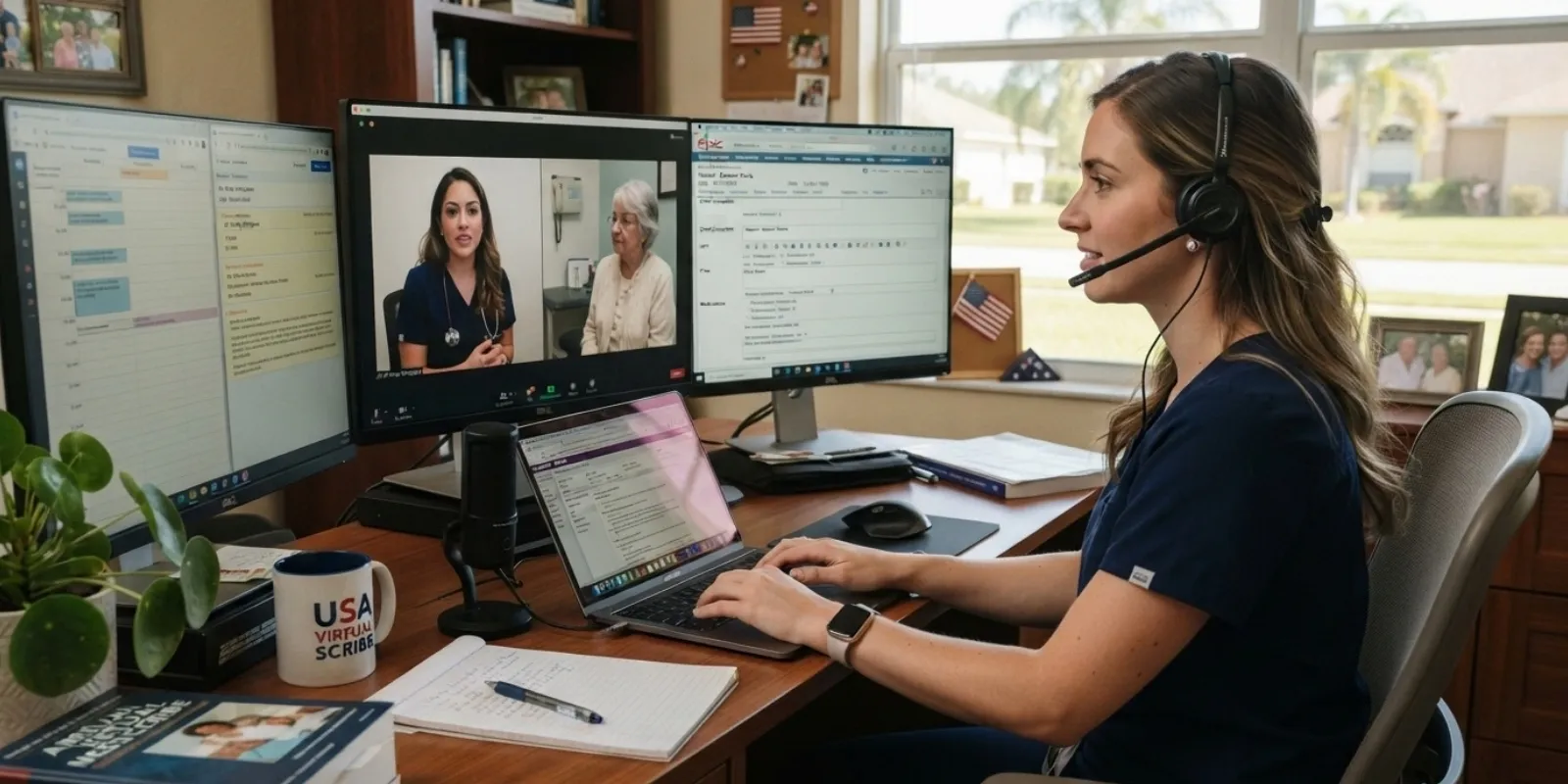
Virtual Medical Scribe Services Raleigh: How They Give Providers Time Back
Virtual medical scribe services Raleigh practices use help providers document patient encounters without managing every note themselves. Remote scribes capture…
Read Article→

Medical Virtual Assistant Services Raleigh: How They Support Growing Practices
Raleigh's healthcare practices are expanding faster than many administrative teams can keep pace with. Medical virtual assistant services Raleigh practices…
Read Article→

How HIPAA Aligned Works for Remote Staff in Raleigh, NC: A Complete Guide for Modern Practices
Raleigh healthcare practices are increasingly turning to remote staff for support. Managing administrative workloads requires secure data handling processes. Understanding…
Read Article→