Virtual Medical Scribe Services Raleigh: The Core Framework
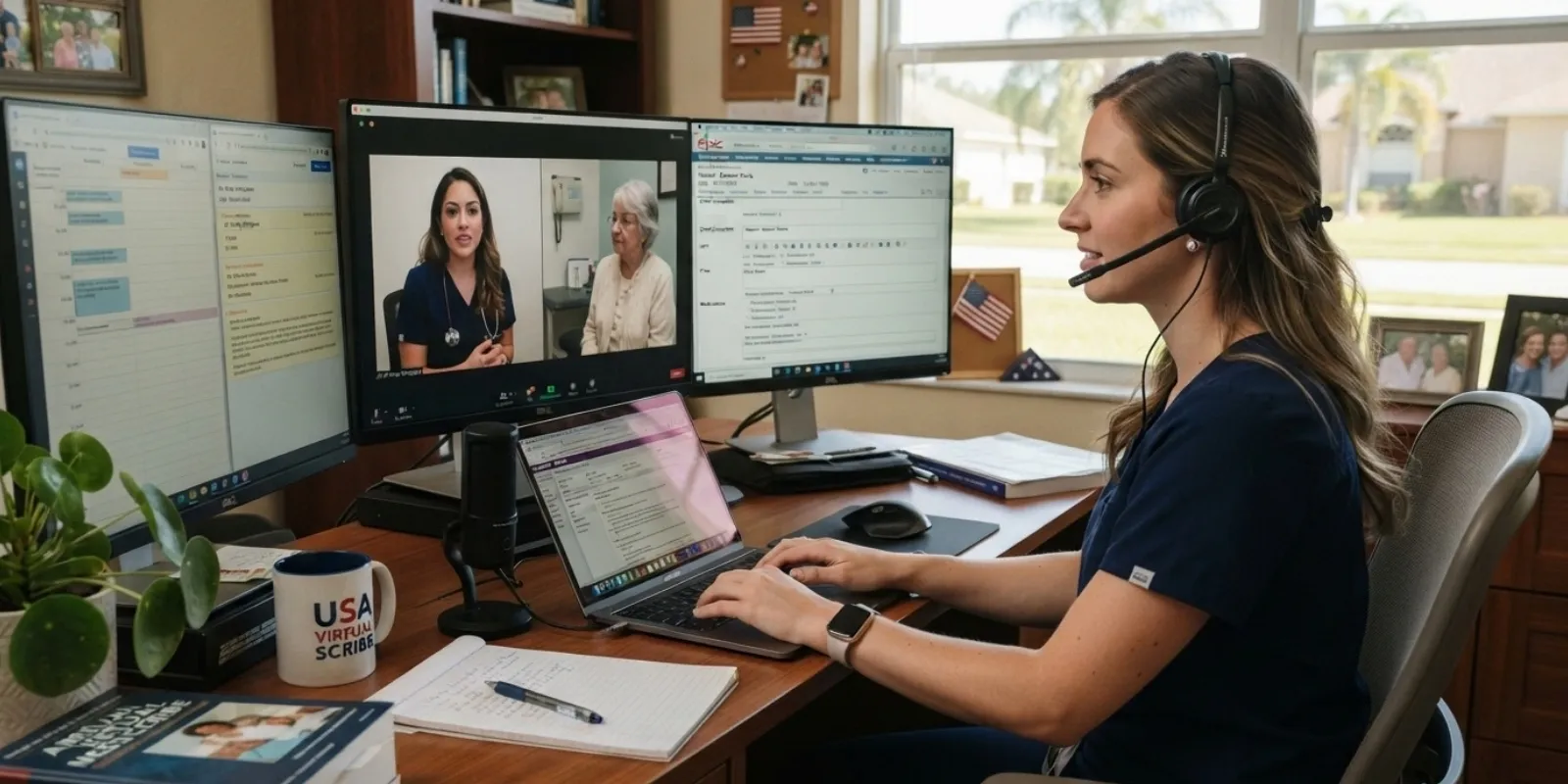
A virtual medical scribe documents patient encounters remotely while the provider conducts the consultation. Through virtual medical scribe support, clinicians can focus more closely on patients instead of constantly switching between conversation and typing. This approach supports real-time clinical documentation while keeping providers responsible for medical decisions.
Remote scribe documentation typically involves recording relevant histories, examination findings, assessments, and treatment plans as directed by the provider. Virtual scribe EHR support allows documentation to follow the practice’s existing templates and charting procedures. Depending on the arrangement, scribes may access the EHR directly through authorized accounts and approved remote workflows.
Remote scribe healthcare services must also establish clear responsibilities and privacy safeguards. When a provider qualifies as a HIPAA business associate, an appropriate Business Associate Agreement (BAA) should be in place. Scribes prepare documentation, while providers retain responsibility for reviewing, correcting, and signing their clinical notes.
Why Raleigh Providers Are Turning to Remote Scribe Support
Documentation demands can contribute to provider burnout when charting regularly extends beyond scheduled clinical hours. Provider burnout documentation concerns often arise when clinicians must complete notes after seeing their last patient. Remote scribe support can help reduce this administrative pressure and create more room for patient-focused care.
Growing Triangle area medical practices may need additional documentation support as appointment volumes increase. Raleigh healthcare staffing costs can make recruiting, training, and retaining in-house scribes challenging for some practices. Remote services offer in-house scribe alternatives without requiring every practice to create another onsite position.
Flexible scribe coverage can help practices explore support based on provider schedules and documentation needs. Depending on the service agreement, coverage may accommodate selected sessions, specific clinicians, or broader clinic hours. Administrators should compare training, technology, coverage, and service costs before selecting an arrangement.
Key Tasks Handled by Virtual Medical Scribe Services Raleigh Providers Use
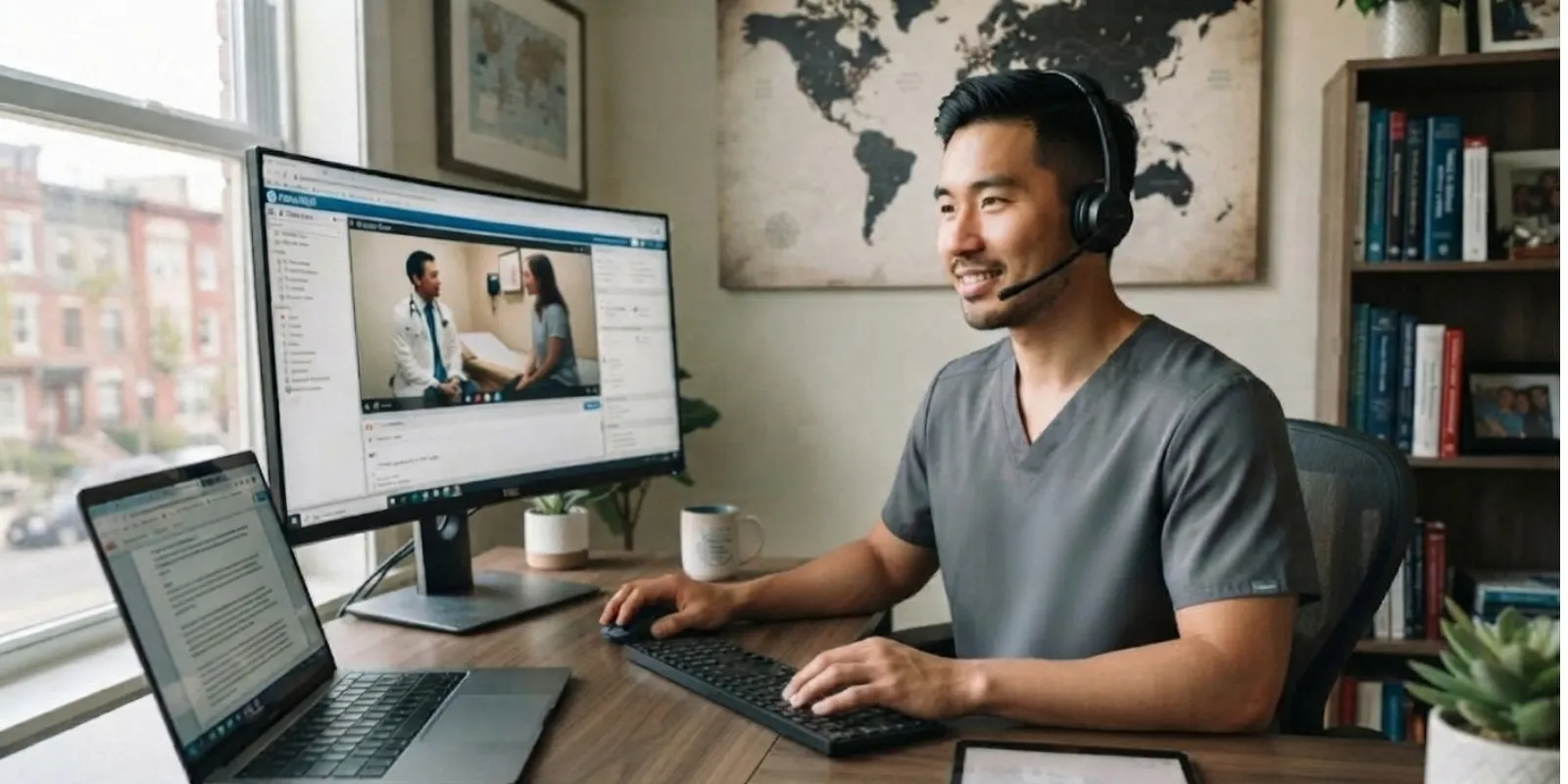
Virtual medical scribe services Raleigh providers choose can support several documentation tasks during patient encounters. Real-time visit documentation may include patient histories, reported symptoms, examination findings, assessments, and provider-directed plans. Accurate notes help maintain a useful clinical record for subsequent visits and care coordination.
EHR note formatting organizes information within the practice’s preferred templates and designated chart fields. Order entry support may involve preparing provider-directed orders for laboratory tests, imaging, or referrals, depending on authorization and workflow. All entries should follow established procedures and receive the required provider review before finalization.
Provider chart review remains essential because scribes do not independently make clinical decisions. Providers should verify the accuracy, completeness, and clinical meaning of every draft note before signing. Clear responsibilities help maintain documentation quality while supporting efficient daily operations.
How Remote Scribe Support Fits Into an Existing Visit Workflow
A live visit documentation workflow begins with appropriate scheduling, system access, and preparation before the patient encounter. Depending on the practice’s setup, a scribe may join through a secure audio or video connection. Patients should receive appropriate notice about the scribe’s participation, with consent obtained when required by applicable law or practice policy.
During the encounter, provider-scribe collaboration allows the clinician to discuss symptoms and examine the patient while documentation proceeds. The scribe organizes relevant information according to the provider’s instructions and established charting standards. This process can reduce the need to recreate entire notes after appointments finish.
EHR workflow integration should reflect the provider’s specialty, preferred templates, and documentation requirements. Specialty-specific charting may differ across primary care, cardiology, dermatology, and other clinical disciplines. Providers must retain control over edits, clinical decisions, and final note approval.
Benefits Providers Notice After Adding Scribe Support
One important benefit is improved provider-patient engagement during consultations. When less attention is required for typing, providers may find it easier to maintain eye contact and listen carefully. Scribe support benefits depend on effective collaboration, accurate documentation, and a workflow suited to each clinician.
Reduced after-hours charting can help providers finish documentation closer to the end of their clinical sessions. Timely draft preparation may also reduce charting backlogs between appointments. Results vary according to visit volume, note complexity, provider preferences, and the quality of the scribing arrangement.
Documentation consistency can improve when scribes follow standardized templates and provider-specific instructions. Clear records may provide coding accuracy support by organizing the information clinicians document about each encounter. However, scribes do not guarantee accurate coding, complete reimbursement, or fewer claim denials.
HIPAA-Conscious Standards for Remote Scribe Documentation
HIPAA-conscious scribe support requires appropriate access controls, documented procedures, and clear accountability. Remote scribes should use encrypted connections and multifactor authentication when accessing systems that support these safeguards. Access permissions should be limited to the information and functions required for assigned responsibilities.
Secure video documentation should take place through approved platforms configured for appropriate privacy and security protections. Remote staff PHI security also depends on documented training before scribes participate in patient encounters. HIPAA training for healthcare staff should cover permitted access, confidentiality, secure communication, and incident reporting.
Encrypted EHR access and audit logging can help practices protect information and monitor system activity. Organizations should establish procedures for reporting suspected unauthorized access or security incidents. Practices should also confirm applicable BAA requirements and verify that their arrangements meet relevant privacy obligations.
What to Look for in a Virtual Medical Scribe Provider
Choosing a virtual scribe provider starts with evaluating experience in the practice’s specialty and documentation workflows. Vetted medical scribe staff should understand clinical terminology, EHR templates, confidentiality, and provider-specific preferences. Ask about training, quality reviews, and procedures for correcting documentation errors.
Healthcare scribe outsourcing Raleigh practices consider should include clear onboarding and defined responsibilities. Virtual scribe provider requirements may include an appropriate BAA, secure system access, documented training, and incident-response procedures. Practices should confirm these arrangements before allowing scribes to access patient information.
Scribe partner selection should also consider service coverage, communication, reporting, and operational fit. Ask how the provider measures chart turnaround time, documentation accuracy, and adherence to established workflows. A transparent evaluation process helps administrators determine whether the service meets their practice’s needs.
Conclusion
Virtual medical scribe services Raleigh providers choose can support real-time documentation and reduce administrative pressure. The right arrangement can improve workflow consistency while giving clinicians more opportunities to focus on patients. Before selecting a provider, practices should verify specialty experience, security safeguards, appropriate agreements, and provider review procedures.
Frequently Asked Questions
Most services include real-time documentation during patient visits. They handle EHR note formatting and order entry support. Scribes prepare draft notes for final provider review.
Reputable providers strictly train staff on HIPAA requirements. They operate under a signed Business Associate Agreement. Encrypted platforms are used for every patient encounter.
They connect through a secure audio or video link. The scribe documents in real time as exams happen. This connection is private and HIPAA-aligned.
Yes, providers retain absolute control over every record. Scribes prepare the draft documentation carefully. The physician reviews, edits, and signs off finally.
Confirm documented HIPAA training and a signed BAA. Ask for specialty-specific scribing experience records. Ensure a clear onboarding process for EHR templates.
Cut Charting Time Today
Curious how a virtual medical scribe could cut charting time for your Raleigh practice? Schedule a Strategy Call with Avora Solutions to see how our HIPAA-conscious remote scribes support providers during live visits — without adding in-house headcount.
Schedule Your Strategy Call

