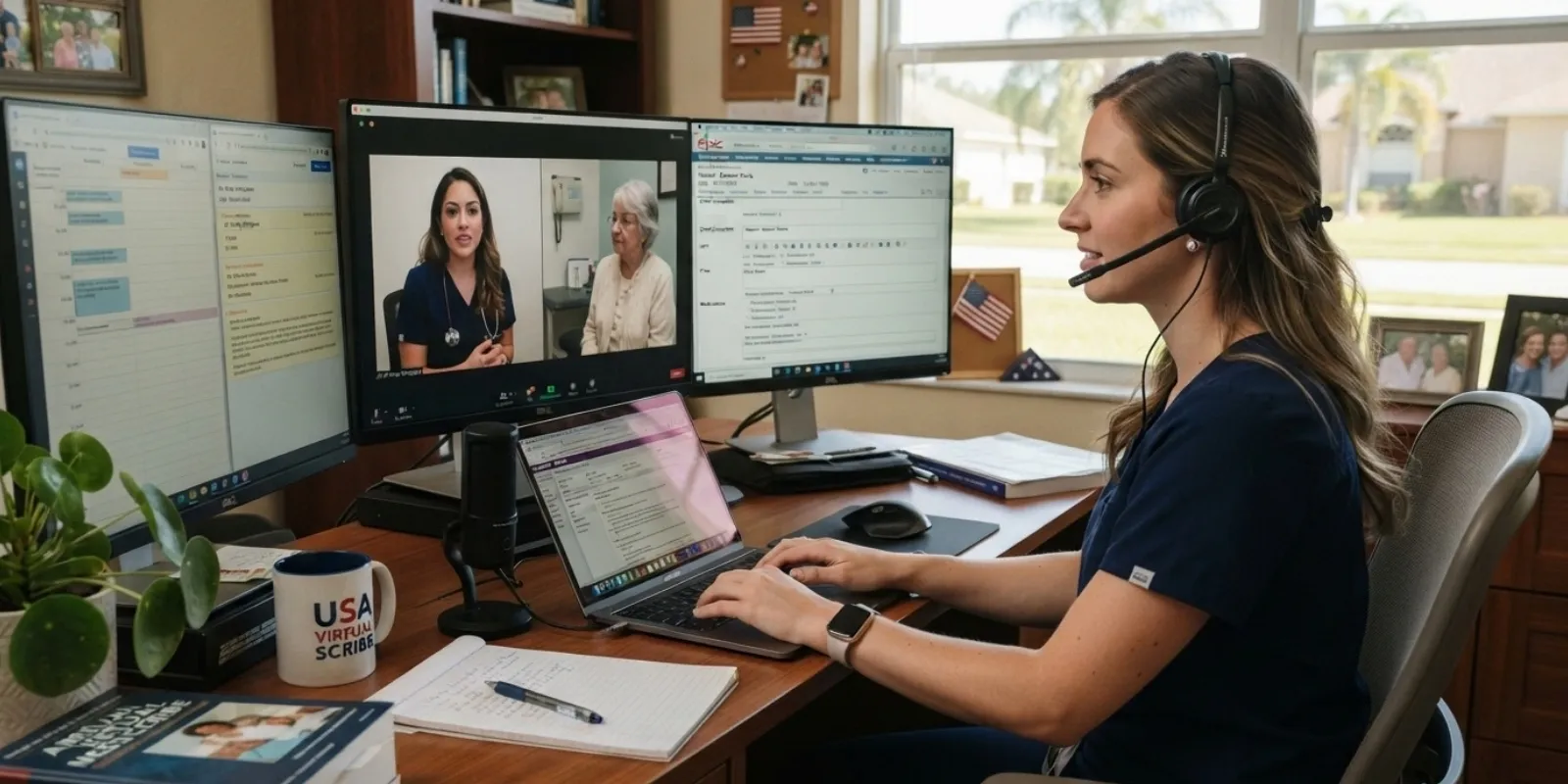
How HIPAA Aligned Virtual Assistants Protect Patient Data: A Layered Security Approach
Data protection begins at onboarding with formal HIPAA training before any PHI access is granted. Security is applied at the device, network, platform, and communication level simultaneously. This multi-layered strategy ensures that sensitive records remain isolated from outside threats at all times.
Written policies govern every PHI interaction from scheduling support to insurance verification and billing tasks. These rules create a predictable environment where errors are minimized through rigorous standardization. The structure prevents accidental exposure while maintaining high efficiency for the medical practice.
Ongoing compliance monitoring ensures protection standards are maintained as workflows and platforms evolve. Technology changes rapidly in the healthcare sector requiring constant vigilance and policy updates. Avora Solutions prioritizes this dynamic security model to keep patient data protection protocols modern.
Encrypted Communication and File Transfer Tools HIPAA Aligned VAs Use
Encrypted email platforms and secure messaging tools prevent PHI interception during transmission. These systems use high-level algorithms to scramble data before it leaves the sender's device. Unauthorized actors cannot read the content even if they manage to intercept the packet.
HIPAA-aligned file sharing systems restrict access to authorized recipients and log every file interaction. Every upload or download creates a permanent entry in a secure audit record. This transparency allows managers to verify who viewed sensitive documents and when it happened.
Prohibition of personal email, SMS, or consumer-grade messaging apps is strictly enforced for all communication. Using unmanaged channels introduces unnecessary risk that professional healthcare practices must avoid completely. End-to-end encryption is applied to all documentation exchanged between the VA team and the office.
Access Controls and Authentication Standards That Prevent Unauthorized PHI Exposure
Role-based access permissions limit each VA team member to only the systems needed for their tasks. A billing specialist does not need access to clinical photography or surgical notes. This granular control minimizes the blast radius of any potential security incident within the practice.
Multi-factor authentication is required for all logins to EHR, practice management, and billing platforms. An extra layer of verification stops hackers even if they obtain a user's password. Most modern healthcare software now mandates this MFA healthcare VA standard for all remote logins.
Session timeouts and automatic logouts reduce PHI exposure risk during unattended access periods. If a workstation is left idle, the system automatically terminates the active connection. Device management policies prohibit PHI access from personal, unmanaged, or shared computing equipment entirely.
How HIPAA Aligned Virtual Assistants Protect Patient Data Through Secure Documentation Practices
Structured intake procedures limit the collection of PHI to the minimum necessary for each task. Assistants only request the data points required to finish an insurance verification or referral. This follows the federal guidance on data minimization to protect patient privacy effectively.
Standardized documentation workflows prevent inconsistent or undocumented handling of sensitive patient records. Every staff member follows the exact same path when processing clinical notes or insurance documents. This consistency makes it easier for the practice to verify that security rules were followed.
Secure storage protocols are applied to all clinical notes and administrative files within the system. Clear data retention and destruction guidelines govern how long patient records are held by the vendor. Once a task is complete, temporary files are disposed of using secure digital shredding methods.
The Role of Staff Training in Virtual Assistant Patient Data Protection
Comprehensive HIPAA privacy and security training is completed before any team member starts their work. This initial education covers the legal requirements and the specific operational rules of the company. Avora Solutions ensures that every global professional understands the stakes of handling medical data.
Ongoing education keeps staff current with evolving federal regulations and payer-specific data standards. Training modules are tailored to each specific function such as billing, scheduling, or prior authorization. This role-specific approach ensures that specialists understand the unique risks of their daily tasks.
Documented training records are maintained by the provider and available for review upon request. Practices can verify the credentials and education level of the remote staff they integrate. This transparency builds trust and provides the necessary documentation for internal practice compliance audits.
Audit Trails and Monitoring: How VA Teams Maintain PHI Accountability
Automated audit logging records every access, modification, and transmission of protected health information. This digital footprint cannot be altered or deleted by the virtual assistant team members. It provides an objective history of exactly how a patient record was managed.
Regular internal audits are conducted to identify and resolve any PHI handling inconsistencies quickly. Monitoring tools flag unusual access patterns that might indicate a potential unauthorized interaction immediately. These proactive checks allow for correction before a minor issue becomes a major security problem.
Audit reports are made available to the healthcare practice to support their own oversight obligations. Managers can see exactly when their remote staff logged in and what files they accessed. This visibility ensures that the practice maintains control over its sensitive data ecosystem.
How HIPAA Aligned Virtual Assistants Respond to Potential Data Breaches
Documented incident response procedures specify immediate steps when a potential PHI breach is identified. The team follows a strict protocol to contain the risk and assess the damage. Breach notification timelines are aligned with the 60-day reporting requirement mandated by federal law.
Root cause analysis is conducted after every incident to prevent recurrence and improve security. Understanding how a breach happened allows the company to close gaps in their layered defense. This continuous improvement cycle is a hallmark of a professional virtual assistant staffing firm.
Communication protocols between the VA team and the healthcare practice maintain transparency throughout every incident. Rapid reporting ensures that the medical office can take its own protective measures without delay. A clear response plan protects the reputation of the practice and the privacy of patients.
Choosing a Virtual Assistant Provider That Consistently Protects Patient Data
Verifying that the provider maintains a signed Business Associate Agreement is the first essential step. This legal contract establishes the responsibilities for protecting patient data and reporting any security incidents. Reviewing documented security policies and staff training records helps confirm their claims of alignment.
Confirming breach response procedures and notification timelines are in place provides peace of mind. Selecting a provider with demonstrated experience in healthcare functions ensures they understand medical workflows. Avora Solutions offers this specialized expertise to practices looking for secure and reliable support.
A high-quality provider will gladly share their platform access control standards before you sign. They should be able to explain their device management and audit trail practices in detail. Taking the time to vet a medical virtual assistant properly avoids costly security headaches later.
Frequently Asked Questions
They use a combination of encrypted communication platforms, role-based access controls, multi-factor authentication, structured documentation protocols, continuous staff training, and documented audit trails — all governed by HIPAA-aligned policies applied at every stage of their workflow.
HIPAA-aligned VAs use encrypted email systems, secure messaging platforms, and HIPAA-aligned file sharing tools — never consumer-grade apps, personal email accounts, or unencrypted SMS for any patient-related communication.
Yes, provided access is granted through role-based permissions, secured with multi-factor authentication, monitored through audit logs, and limited strictly to the information required for each task — consistent with HIPAA's minimum necessary standard.
Reputable providers follow documented incident response procedures that include immediate containment, root cause analysis, and breach notification to the covered entity within HIPAA's required timeframe — ensuring the practice remains informed and protected throughout the process.
A BAA legally obligates the virtual assistant provider to maintain HIPAA-aligned data protection standards, report any PHI breach promptly, and restrict the use of patient information to only what is necessary for the agreed-upon administrative services.
Ready to Secure Your Practice?
Need a virtual assistant team your practice can trust with protected health information? Contact Avora Solutions to learn how HIPAA aligned virtual assistants protect patient data — and how our secure, compliant support helps your practice run efficiently without putting patient privacy at risk.
Get a Security Consultation