Healthcare practices increasingly rely on virtual assistants to manage scheduling, prior authorizations, billing support, and patient communications — but not every virtual assistant is equipped to handle protected health information responsibly. Understanding what makes a virtual assistant HIPAA aligned helps practices identify providers who apply the right protocols, documentation standards, and security safeguards required under federal law. Choosing a virtual assistant without verifying HIPAA alignment exposes the practice to data breaches, regulatory penalties, and patient trust violations.
The right provider combines operational efficiency with a fully documented, privacy-first approach to healthcare administration. Modern medical offices cannot afford to ignore these critical security requirements in a digital world. A dedicated partner like Avora Solutions bridges the gap between high productivity and stringent data protection.
What Makes a Virtual Assistant HIPAA Aligned: The Core Requirements
Operating under documented HIPAA-aligned privacy and security policies that govern all PHI interactions is the first essential step. These internal frameworks dictate how a HIPAA aligned virtual assistant interacts with every piece of sensitive data. Without these formal policies, a staffing provider cannot ensure consistent protection for your patient records.
Completing formal training is equally important for every virtual assistant PHI handling specialist. Staff members must maintain ongoing education regarding federal patient data standards to stay informed about regulatory shifts. This commitment to learning distinguishes a high-quality partner from a standard staffing agency.
Using encrypted communication and file-sharing tools for all patient-related administrative tasks is a mandatory technical requirement. Healthcare VA compliance depends on the strength of the digital tunnels through which patient data travels. Standard messaging apps are never acceptable for transmitting protected health information under any circumstances.
Signing a legally binding Business Associate Agreement before accessing any protected health information remains the most critical legal safeguard. This document codifies the virtual assistant requirements and establishes clear liability for all parties involved. A professional staffing firm will always provide this agreement proactively to protect your practice's legal standing.
HIPAA Rules That Apply to Virtual Assistants Working in Healthcare Settings
The HIPAA Privacy Rule virtual assistant standards restrict how PHI may be accessed, used, or disclosed during support. These rules ensure that patient identities remain confidential throughout every administrative workflow managed by remote staff. Every healthcare HIPAA obligations VA provider must strictly adhere to these federal privacy guidelines.
The HIPAA Security Rule remote staff mandates technical, physical, and administrative safeguards for electronic PHI access. This rule requires robust firewall protections and secure login protocols for all administrative systems. These safeguards prevent unauthorized external parties from infiltrating your practice's digital environment.
The PHI minimum necessary standard limits virtual assistants to only the patient information required for each specific task. This approach minimizes data exposure and reduces the potential impact of a security incident. A well-managed team will only grant access to the specific fields necessary for billing or scheduling.
Covered entities are ultimately responsible for ensuring every virtual assistant vendor meets HIPAA-aligned obligations. The responsibility for data protection rests with the practice leadership throughout the entire partnership. Diligent oversight of your virtual assistant covered entity ensures long-term security and regulatory peace of mind.

How HIPAA Aligned Virtual Assistants Handle Protected Health Information
Accessing patient records exclusively through secure, role-permissioned EHR and practice management systems is a non-negotiable standard. A secure patient data virtual assistant never stores medical files locally on their personal hardware. This remote desktop approach ensures that sensitive data remains within the practice's controlled environment.
Communicating patient-related information only through encrypted channels ensures that PHI is never vulnerable to interception. Professional virtual assistant PHI handling requires the use of HIPAA-aligned portals and secure messaging platforms. Avoid any vendor that suggests using personal email or unverified consumer messaging apps for healthcare work.
Following documented PHI handling procedures for every task involving scheduling, billing, or clinical support provides a consistent safety net. These procedures guide the team through complex administrative workflows without compromising privacy. An encrypted communication healthcare VA ensures that even routine calls follow strict confidentiality protocols.
Maintaining a clear PHI audit trail for each instance of access or modification is vital for internal accountability. This record-keeping allows practices to track exactly who viewed a file and what changes were made. Monitoring user activity helps detect and respond to potential security threats before they escalate into breaches.
What Makes a Virtual Assistant HIPAA Aligned vs. One That Is Not
A HIPAA-aligned VA operates with a signed BAA, documented protocols, and verified HIPAA training on record. These credentials provide the necessary proof that the provider takes data security seriously. Alignment requires a proactive investment in infrastructure and staff knowledge that generic agencies often skip.
A non-aligned VA may handle PHI through unsecured platforms, personal devices, or undocumented workflows. This lack of structure creates significant virtual assistant HIPAA risk for the medical practice. Using unverified staff leads to inconsistent data handling and increased exposure to potential federal investigations.
HIPAA-aligned providers conduct regular internal audits to identify and correct data handling gaps proactively. These healthcare VA compliance standards ensure that security remains a top priority even as the team grows. Constant vigilance is the only way to maintain a truly secure remote staffing environment.
Non-aligned virtual assistants expose the practice to breach liability, OCR investigation, and potential financial penalties. The non-HIPAA virtual assistant risks far outweigh any short-term savings on staffing costs. Protecting your reputation requires choosing a partner that understands the gravity of healthcare privacy laws.
The Role of Business Associate Agreements in Virtual Assistant Hiring
Any virtual assistant who accesses, transmits, or stores PHI on behalf of a practice qualifies as a business associate. This legal designation triggers specific obligations under federal law that must be strictly followed. The business associate agreement virtual assistant contract is the foundation of this professional relationship.
A BAA healthcare VA must be signed and maintained before any PHI access is granted to the team. This contract defines the VA's specific obligations for PHI protection and timely breach reporting. It serves as a legally binding promise that your patient data will be handled with extreme care.
Practices without a current BAA in place with their virtual assistant provider face direct HIPAA liability. This PHI outsourcing agreement is a mandatory requirement for any healthcare VA BAA requirement checklist. Do not permit any remote assistant to log into your systems until this document is fully executed.
Key Security Features of a HIPAA Aligned Virtual Assistant Workflow
Device and network security requirements prevent unauthorized PHI access from personal or shared systems. A professional virtual assistant HIPAA security setup often includes managed hardware with endpoint protection. These controls ensure that the work environment is as secure as your physical office.
Multi-factor authentication and role-based access controls applied to all platforms provide essential layers of defense. An MFA healthcare VA environment makes it significantly harder for unauthorized individuals to compromise patient records. Role-based access VA ensures that assistants only see the data they need for their specific job.
Secure file transfer PHI protocols protect clinical documents and insurance records during necessary administrative transmissions. Incident response procedures specify exactly how the VA team reports potential PHI exposure events immediately. These HIPAA workflow features virtual assistant tools ensure a robust response to any security anomaly.
Common HIPAA Risks Healthcare Practices Face When Using Non-Aligned Virtual Assistants
PHI transmitted through unencrypted email or shared personal cloud storage platforms represents a massive security gap. These unsecured VA workflows leave your practice vulnerable to sophisticated digital interceptors. Virtual assistant HIPAA violations often stem from these easily preventable communication errors.
Virtual assistants accessing patient records on personal devices without endpoint security create significant non-aligned VA risks. Without central management, the practice cannot guarantee the safety of the device used for sensitive work. PHI breach virtual assistant incidents frequently occur on unmonitored home computers.
Insufficient training leaves staff unaware of PHI handling rules or specific disclosure limits. This lack of knowledge increases the risk of accidental data exposure during routine patient interactions. A robust HIPAA risk management virtual assistant strategy must include deep and frequent staff education.
How to Evaluate and Hire a HIPAA Aligned Virtual Assistant for Your Practice
Requesting documented proof of HIPAA training certification and compliance policies is the first step in hiring a HIPAA aligned virtual assistant. A thorough virtual assistant vetting checklist should include a review of their device management standards. Choosing healthcare virtual assistant partners requires a deep dive into their technical security protocols.
Confirming Business Associate Agreement availability and reviewing terms for breach notification is essential for legal safety. Your medical virtual assistant selection process must prioritize these regulatory foundations over simple administrative skills. Assessing the VA team's experience with EHR systems ensures they understand how to navigate role-based permissions.
Ask for specific details on how they handle complex tasks like prior authorization virtual assistant support. A secure partner will describe a workflow that never takes data outside of your protected environment. Avora Solutions offers the expertise needed to integrate these secure professionals into your existing medical practice team.
Frequently Asked Questions
A HIPAA aligned virtual assistant operates under documented privacy and security protocols, completes formal HIPAA training, uses encrypted platforms for all PHI interactions, and has a signed Business Associate Agreement in place before accessing any patient data.
Yes. Any virtual assistant who accesses, processes, or transmits protected health information on your practice's behalf legally qualifies as a business associate — making a signed BAA a mandatory requirement before work begins.
Yes, provided access is granted through role-based permissions, secured with multi-factor authentication, and limited to the specific patient information required for each assigned task — consistent with HIPAA's minimum necessary standard.
The most common risks include PHI transmitted through unsecured channels, device access without proper security controls, absent or unsigned Business Associate Agreements, and insufficient staff training on PHI handling and breach reporting obligations.
Secure Your Practice's Data Today
Looking for a virtual assistant your practice can trust with patient data? Contact Avora Solutions to learn what makes a virtual assistant HIPAA aligned — and how our team delivers secure, compliant administrative support that protects your practice at every step.
Get Started with Secure SupportRelated Insights
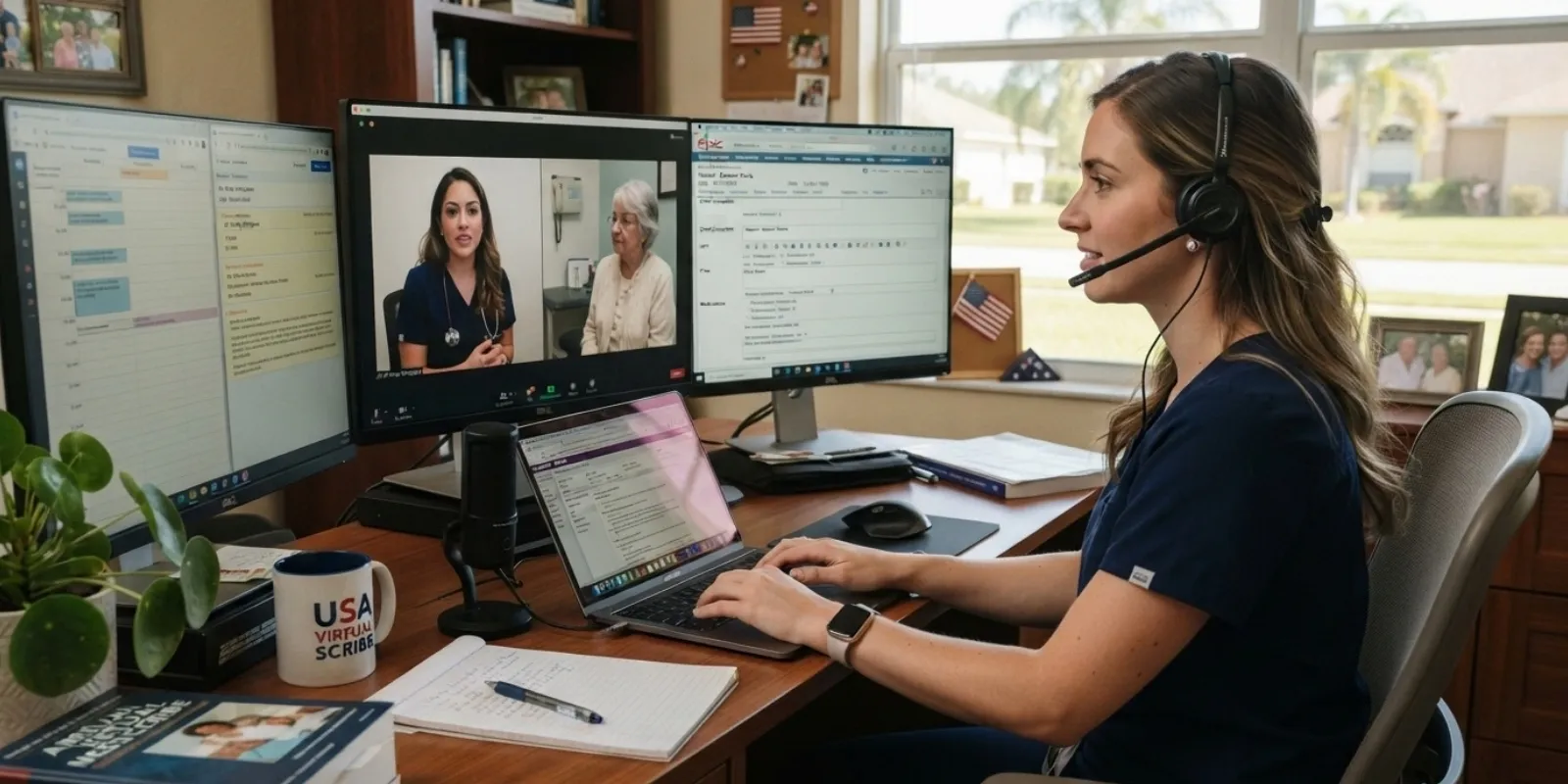
Virtual Medical Scribe Services Raleigh: How They Give Providers Time Back
Virtual medical scribe services Raleigh practices use help providers document patient encounters without managing every note themselves. Remote scribes capture…

Medical Virtual Assistant Services Raleigh: How They Support Growing Practices
Raleigh's healthcare practices are expanding faster than many administrative teams can keep pace with. Medical virtual assistant services Raleigh practices…

How HIPAA Aligned Works for Remote Staff in Raleigh, NC: A Complete Guide for Modern Practices
Raleigh healthcare practices are increasingly turning to remote staff for support. Managing administrative workloads requires secure data handling processes. Understanding…