
Virtual Receptionist for Specialty Clinics Raleigh: The Core Framework
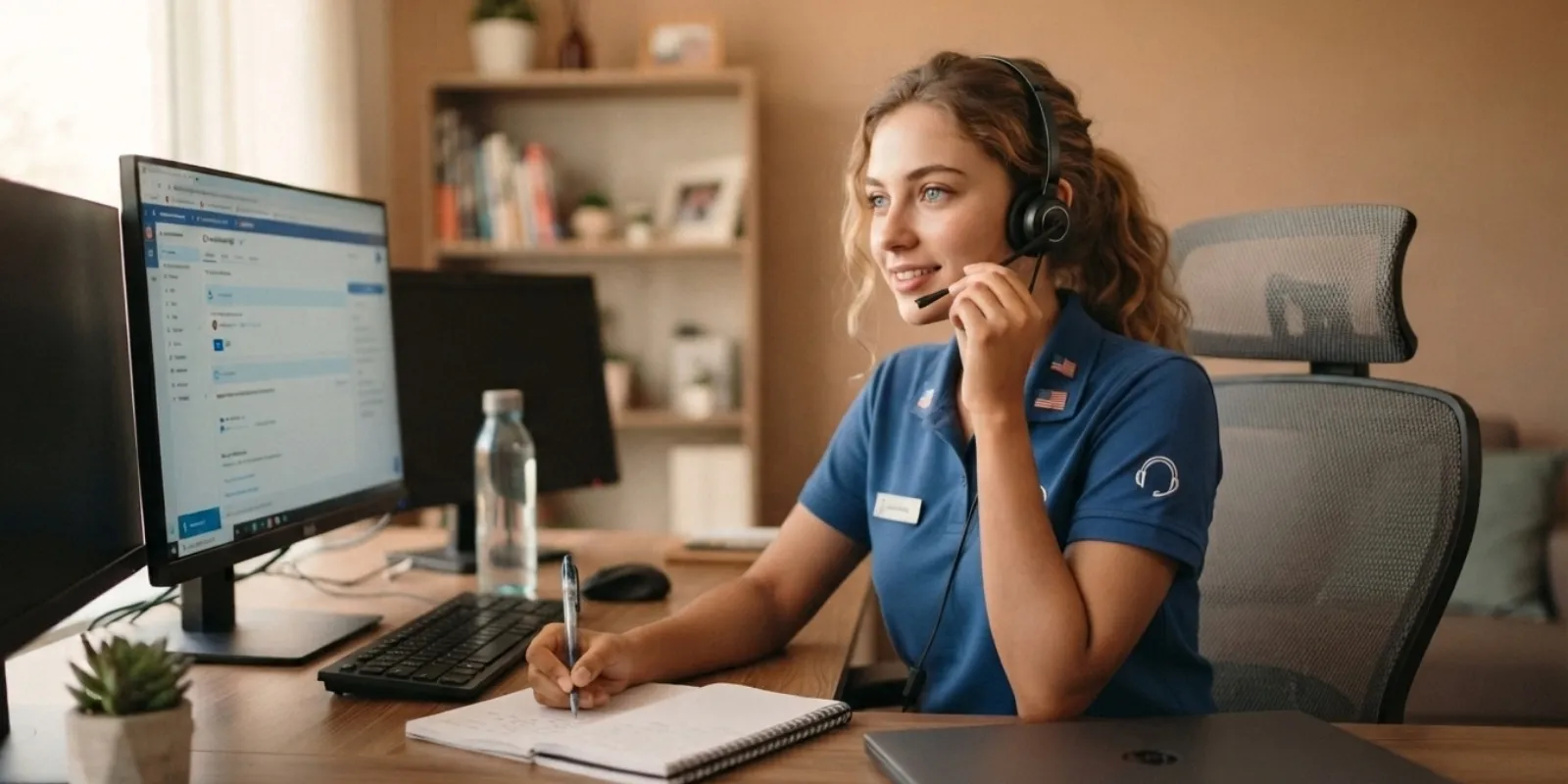
A virtual receptionist provides remote front-desk support tailored to a specialty practice's daily workflows. Virtual receptionist healthcare services can include call handling, appointment scheduling, intake support, and patient communication. This support helps practices maintain consistent administrative coverage without adding another in-office position.
Remote receptionists can work within the practice's existing EHR and scheduling systems. This approach allows remote receptionist medical practice workflows to remain connected with established processes. Specialty clinic front desk support should function as an extension of the existing administrative team.
Virtual receptionist services can also provide dedicated specialty practice phone support during agreed service hours. Receptionists can answer calls, document messages, schedule appointments, or route questions according to established procedures. When patient information is involved, appropriate privacy and security controls should always apply.
Why Specialty Clinics Need Receptionist Support Trained for Their Field
Specialty clinics often have greater specialty practice scheduling complexity than general medical practices. Appointments may require specific providers, equipment, preparation, referrals, or follow-up intervals. Scheduling mistakes can create delays, unnecessary calls, and workflow disruptions throughout the practice.
Online receptionists also need familiarity with relevant clinical terminology front desk teams encounter during patient calls. Specialty receptionist training helps remote staff understand appointment types, administrative procedures, and escalation requirements. Procedure prep coordination requires careful communication about approved instructions and appointment requirements.
Specialty clinic patient calls can involve scheduling, referrals, records, preparation, billing, or general administrative questions. A trained receptionist can identify the request and route it correctly. Clinical questions should always be escalated to qualified healthcare professionals.
Key Tasks Handled by a Virtual Receptionist for Specialty Clinics in Raleigh
A virtual receptionist for specialty clinics Raleigh practices use can manage several routine front-desk responsibilities. Common tasks include answering calls, scheduling appointments, confirming information, and routing messages. The exact responsibilities should match the clinic's workflows and service requirements.
Specialty scheduling support requires an understanding of appointment types and provider availability. Procedure-aware scheduling can account for preparation requirements, equipment availability, and appointment duration. Specialty intake coordination can involve collecting approved administrative information before scheduled visits.
Clinical call routing helps ensure patient questions reach the appropriate member of the care team. Receptionists should follow predefined escalation procedures instead of providing clinical advice. This approach helps protect patients while keeping routine administrative communication efficient.
How Specialty-Trained Support Differs From General Front Desk Coverage
A specialty-trained receptionist learns the terminology, workflows, and common administrative questions associated with a specific field. Training can focus on services, appointment types, providers, and patient communication procedures. This preparation can create more consistent support than generic front-desk training alone.
Customized call scripts help receptionists respond consistently while maintaining the practice's preferred communication style. A clinical escalation protocol tells receptionists when and where to route clinical questions. Procedure-specific scheduling logic helps staff follow requirements for different appointment types.
Effective specialty clinic onboarding should include workflow training, system orientation, and communication standards. Training should explain scheduling rules, escalation procedures, security requirements, and documentation expectations. Ongoing feedback can help remote receptionists maintain consistent performance.
Patient Communication and Scheduling Support for Local Specialty Practices
Patient communication is essential for maintaining an organized specialty clinic schedule. Specialty appointment reminders can confirm dates, times, locations, and approved preparation information. Consistent reminders can also help patients understand administrative requirements before appointments.
Pre-visit patient communication can reduce confusion about administrative requirements before scheduled visits. Managing procedure scheduling lead time can help practices protect time for complex appointments. Receptionists can follow established rules when filling cancellations or adjusting appointment schedules.
HIPAA-conscious patient messaging requires approved communication methods and appropriate access controls. Patient information should not be sent through personal email or unauthorized messaging applications. Effective specialty clinic no-show reduction can include reminders, confirmations, and timely administrative follow-up.
HIPAA-Conscious Standards for Specialty Clinic Receptionist Support
HIPAA-conscious receptionist support should begin with appropriate access controls and documented procedures. Remote receptionists should access systems through secure connections with appropriate authentication. Access should remain limited to information required for assigned responsibilities.
Secure patient scheduling data should remain within approved systems and communication channels. Remote staff PHI security also depends on documented training and ongoing accountability. Staff should understand privacy responsibilities before handling protected health information.
Encrypted scheduling systems can help protect information during system access and transmission. HIPAA training healthcare staff receive should match their responsibilities and access levels. Audit logging can help practices monitor system activity and maintain accountability.
What to Look for in a Virtual Receptionist Provider for Specialty Clinics
Choosing a specialty receptionist provider should begin with relevant healthcare and specialty experience. Ask whether the provider has supported practices with similar scheduling and communication requirements. Experience should include documented processes rather than general claims about medical support.
Vetted virtual receptionist staff should demonstrate strong communication and administrative skills. Specialty clinic outsourcing Raleigh practices consider should include clear expectations for service coverage. Providers should explain onboarding, communication, system access, security procedures, and performance reporting.
Review virtual receptionist provider requirements before granting access to practice systems. Requirements may include a BAA, security controls, documented training, and specialty-specific onboarding. Specialty staffing partner selection should also consider communication, reliability, workflow knowledge, and operational fit.
Conclusion
A virtual receptionist for specialty clinics Raleigh practices use can support scheduling, calls, intake, and patient communication. Specialty-trained support can help reduce administrative workload while improving consistency across front-desk workflows. Practices should verify training, security controls, specialty onboarding, and appropriate agreements before granting system access.
Frequently Asked Questions
Most handle call routing, specialty-aware scheduling, pre-visit intake collection, and coordination with referring providers or specialists.
Reputable providers train staff on HIPAA requirements, operate under a signed Business Associate Agreement, and use encrypted systems before handling data.
Specialty receptionists are onboarded with clinic-specific terminology, procedure requirements, and scheduling logic that general training doesn't cover.
Yes. Specialty receptionists can route and coordinate calls involving referrals or outside provider communication as part of scheduling support.
Confirm documented HIPAA training, a signed BAA, prior experience with the specific specialty, and a clear onboarding process.
Wondering if a specialty-trained virtual receptionist could reduce scheduling errors at your Raleigh clinic?
Schedule a Strategy Call with Avora Solutions